


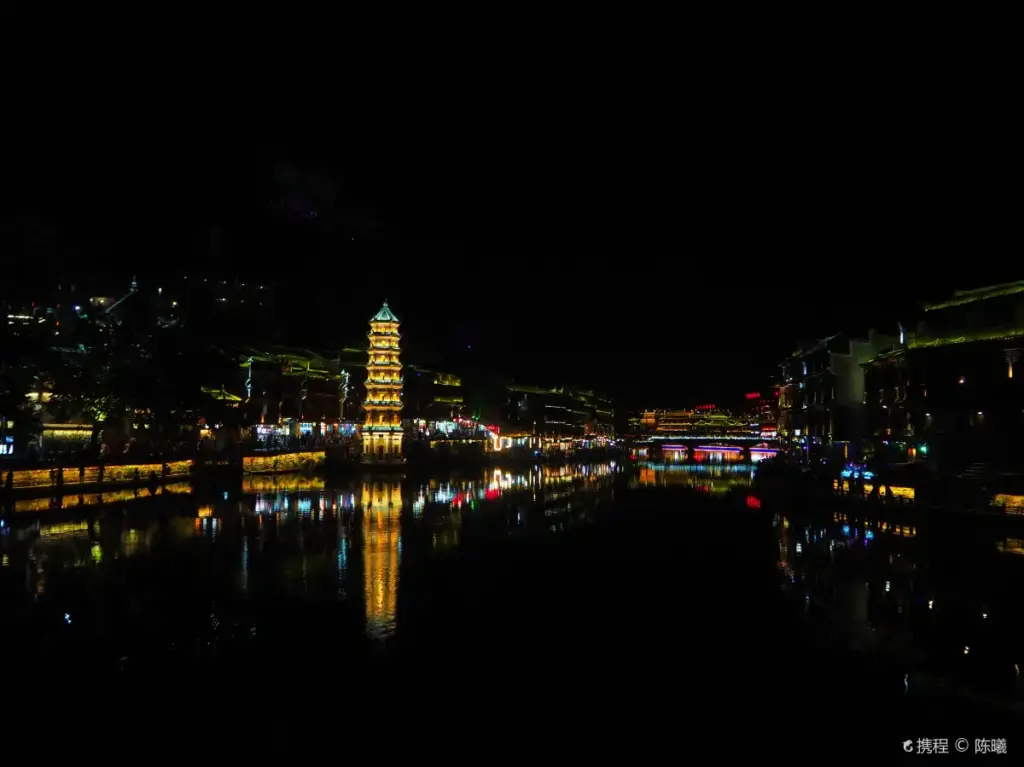
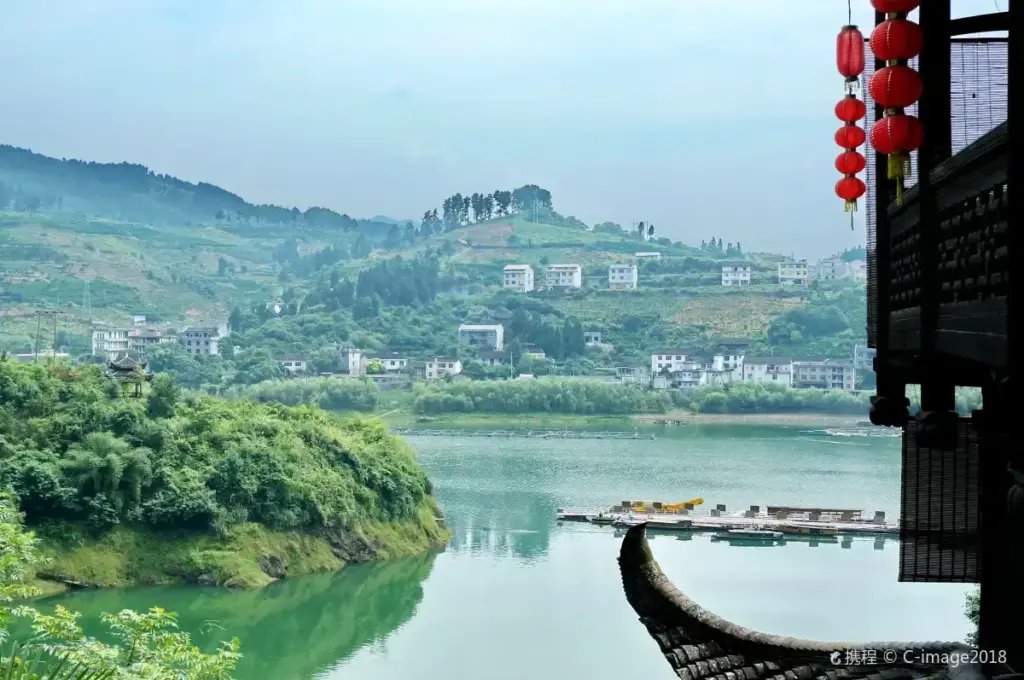
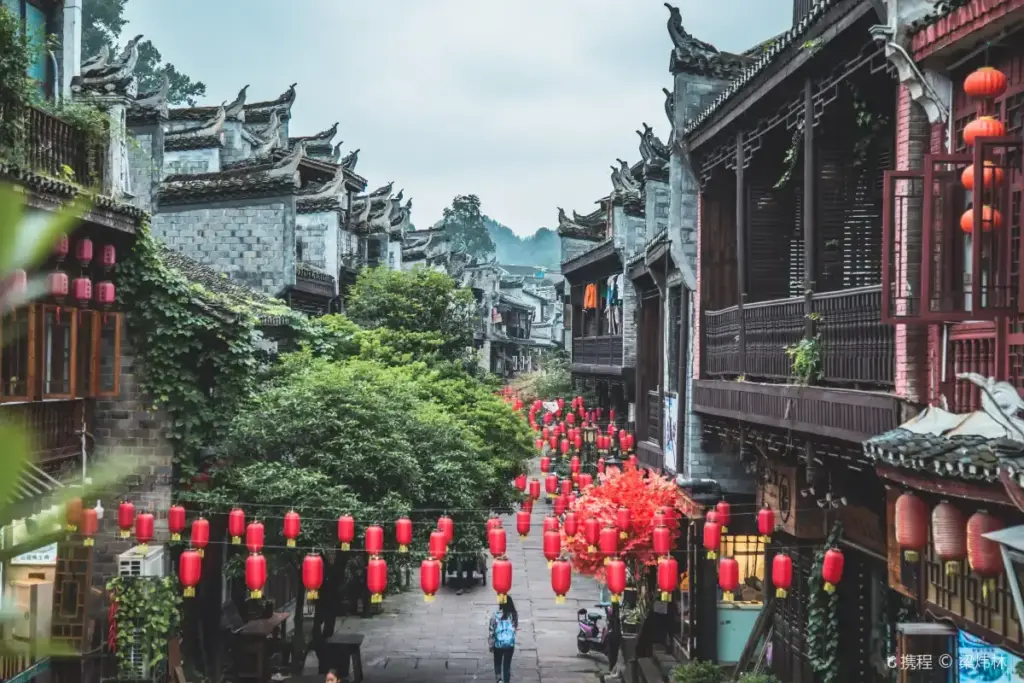
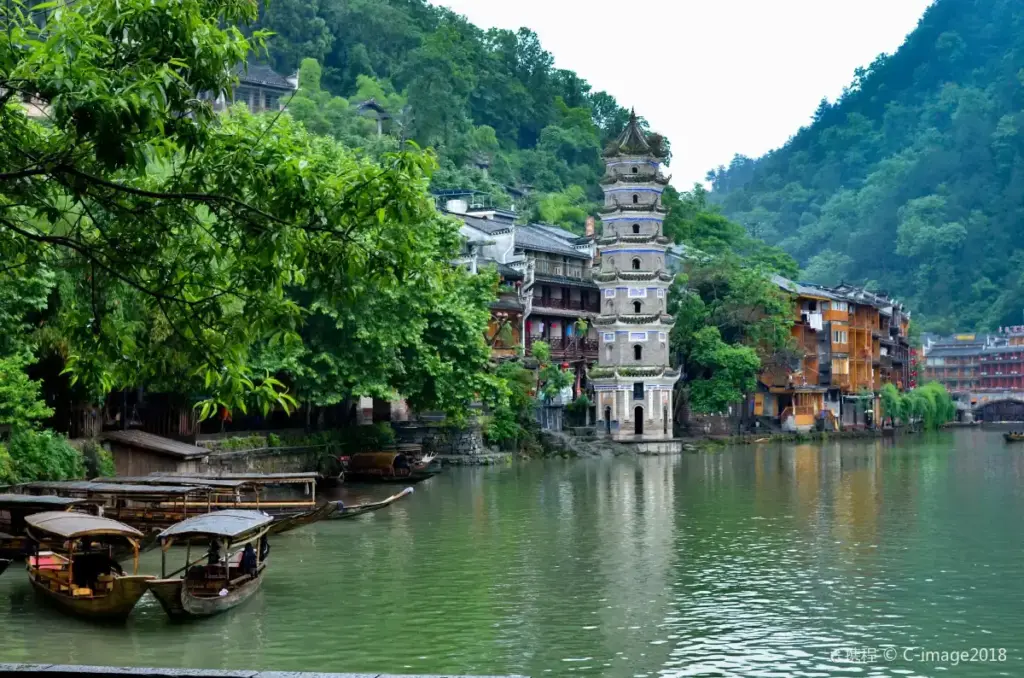
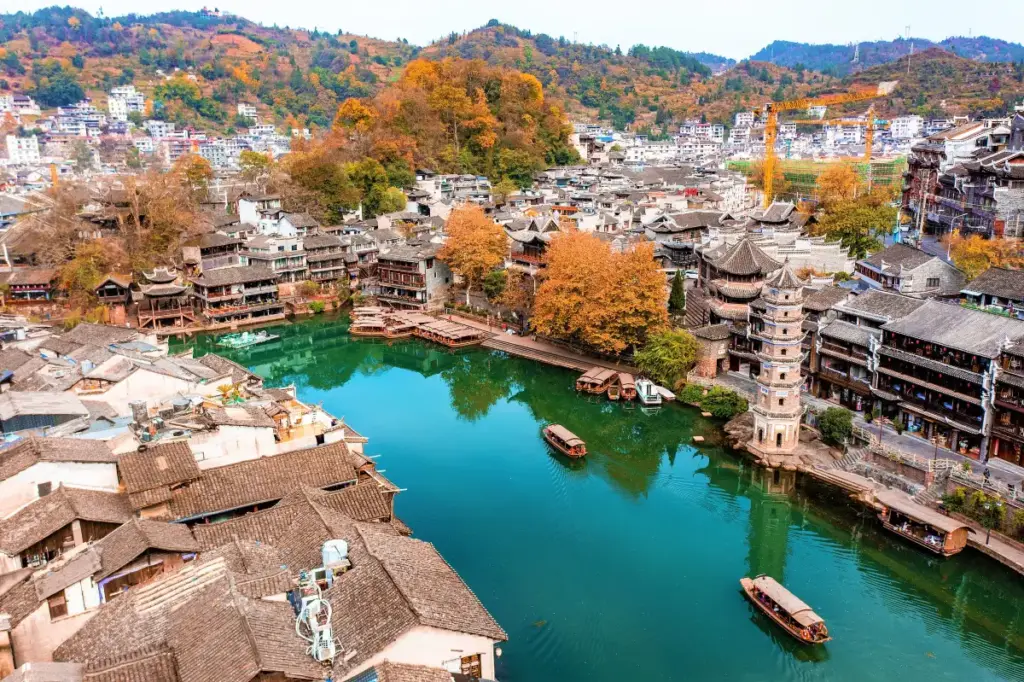
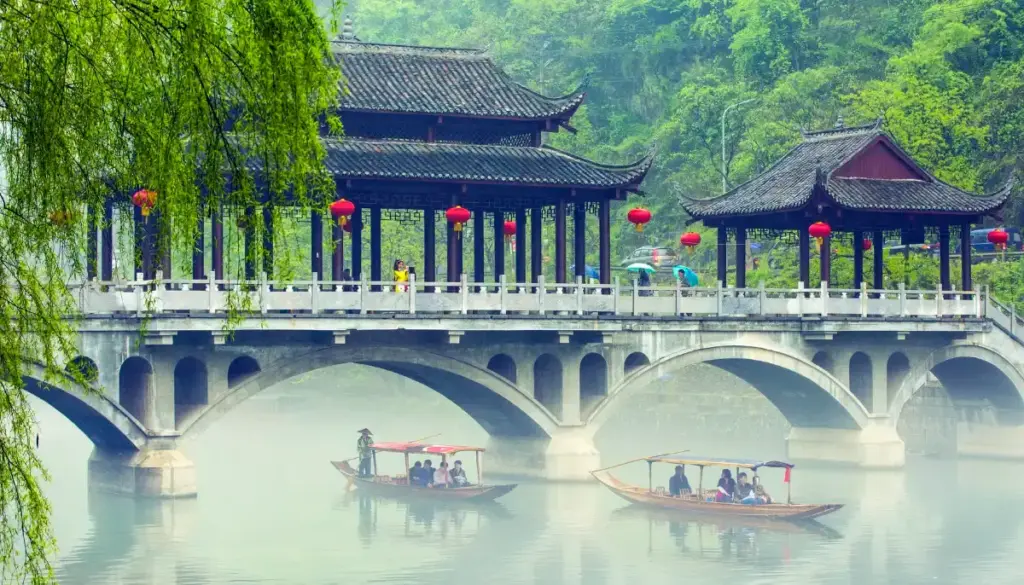
Nestled in the rugged, mist-shrouded mountains of western Hunan Province, Fenghuang Ancient Town (凤凰古城) is often hailed as one of China’s most beautiful small towns. With its iconic stilted houses (Diaojiaolou) clinging to the banks of the emerald Tuojiang River, winding cobblestone alleys, and a rich tapestry of Miao and Tujia ethnic cultures, it is a destination that feels like stepping back in time.
But before you pack your bags and head to Xiangxi, there is one major question every traveler needs answered: How much does it cost to enter, and when can you visit?
In this comprehensive, ultimate guide, we are breaking down everything you need to know about Fenghuang Ancient Town tickets, opening hours, and hidden costs, ensuring you can plan a flawless, budget-friendly, and unforgettable trip to “Phoenix City.”
🎟️ The Big Question: Is Fenghuang Ancient Town Free?
The short answer: YES! 🎉
The detailed answer: Entering Fenghuang Ancient Town is 100% FREE.
Unlike many highly commercialized ancient towns in China that build massive walls and charge exorbitant entrance fees at the front gates, Fenghuang has no gates, no turnstiles, and no general admission ticket. You can walk into the town, stroll along the riverbanks, wander through the labyrinth of ancient alleys, browse the local shops, and soak in the atmosphere without spending a single cent.
(Note: Years ago, local authorities attempted to bundle the town’s entry with a mandatory tourist ticket, but this was highly unpopular and quickly scrapped. Today, the town remains completely open to the public.)
The Golden Rule of Fenghuang: The streets, the scenery, and the atmosphere are free. However, the specific historical interiors and unique activities inside the town will charge separate fees.
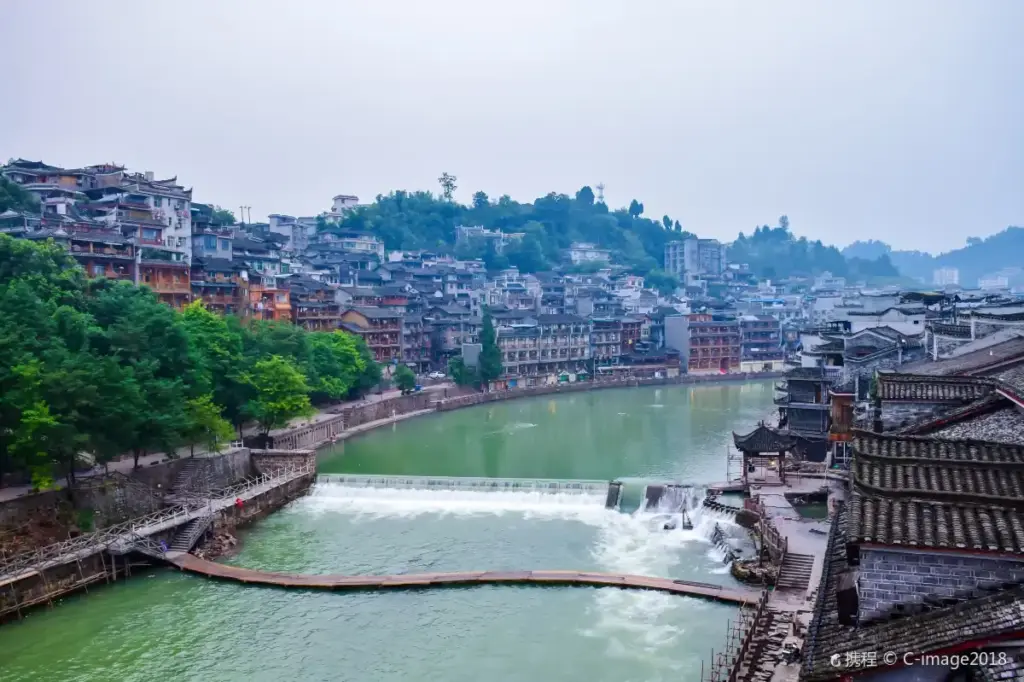
⏰ Opening Hours: A 24/7 Destination
Because there are no gates, Fenghuang Ancient Town is open 24 hours a day, 7 days a week, 365 days a year. You can enter the town at 3:00 AM or 3:00 PM. However, the “opening hours” for the businesses, museums, and boat rides within the town follow a different schedule.
To make the most of your visit, you need to understand the three distinct “personalities” of Fenghuang based on the time of day:
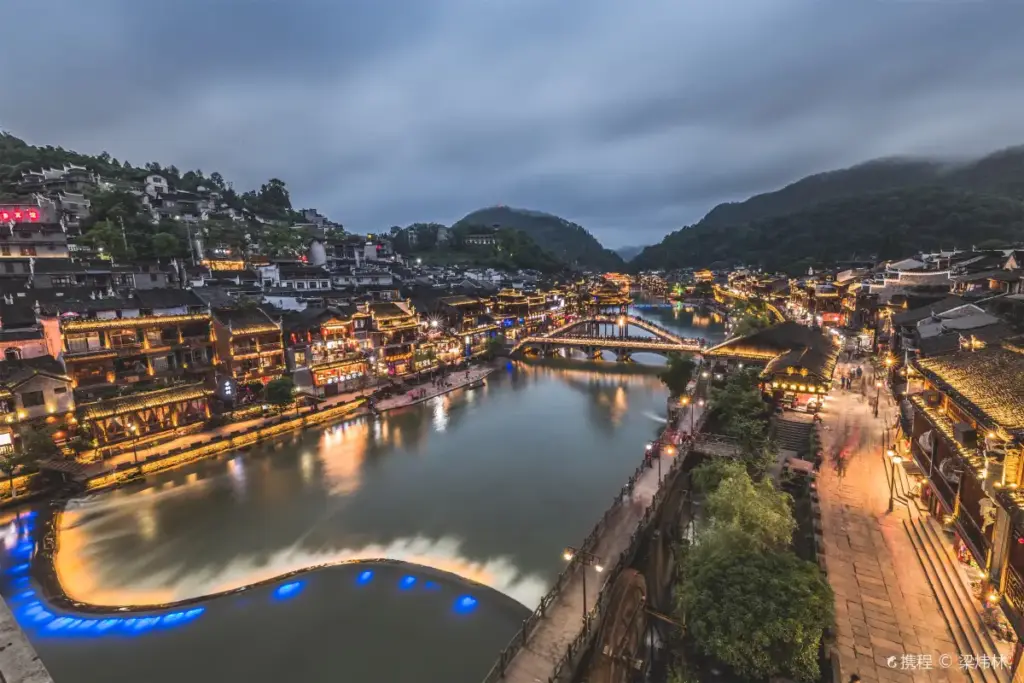
🌫️ Early Morning (6:00 AM – 8:00 AM)
- The Vibe: Peaceful, ethereal, and authentic.
- Why visit: This is the absolute best time for photography. A thin, magical mist rolls off the Tuojiang River, blanketing the wooden stilted houses. You will also see local residents washing clothes in the river and practicing Tai Chi, offering a glimpse into the town’s real, unfiltered life before the tour buses arrive.
☀️ Daytime (8:30 AM – 5:30 PM)
- The Vibe: Bustling, vibrant, and historic.
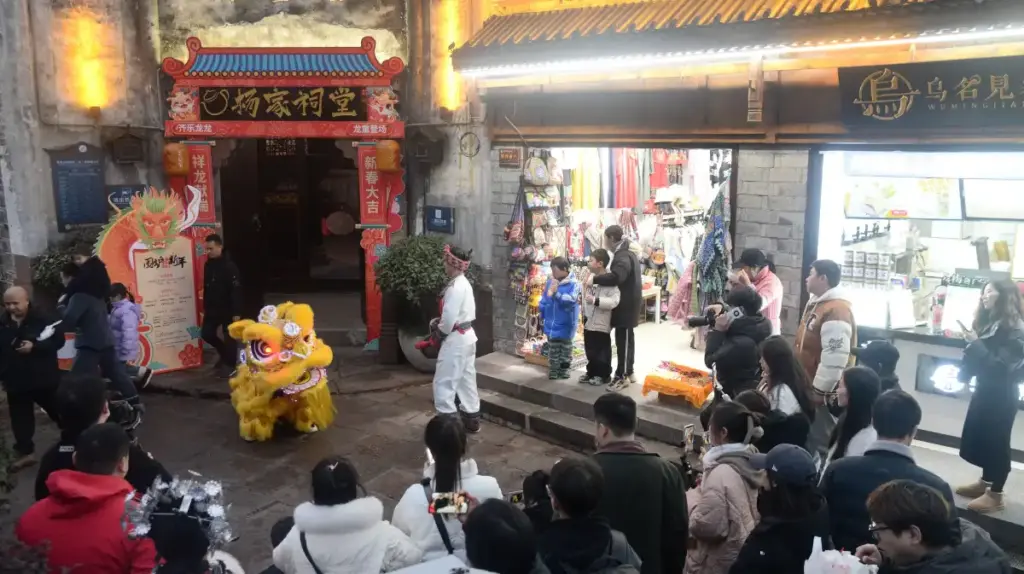
- Why visit: This is when the internal museums, historical residences, and souvenir shops open. The river cruises operate at full capacity, and the streets are alive with the scent of local street food, hammering silversmiths, and weaving artisans.
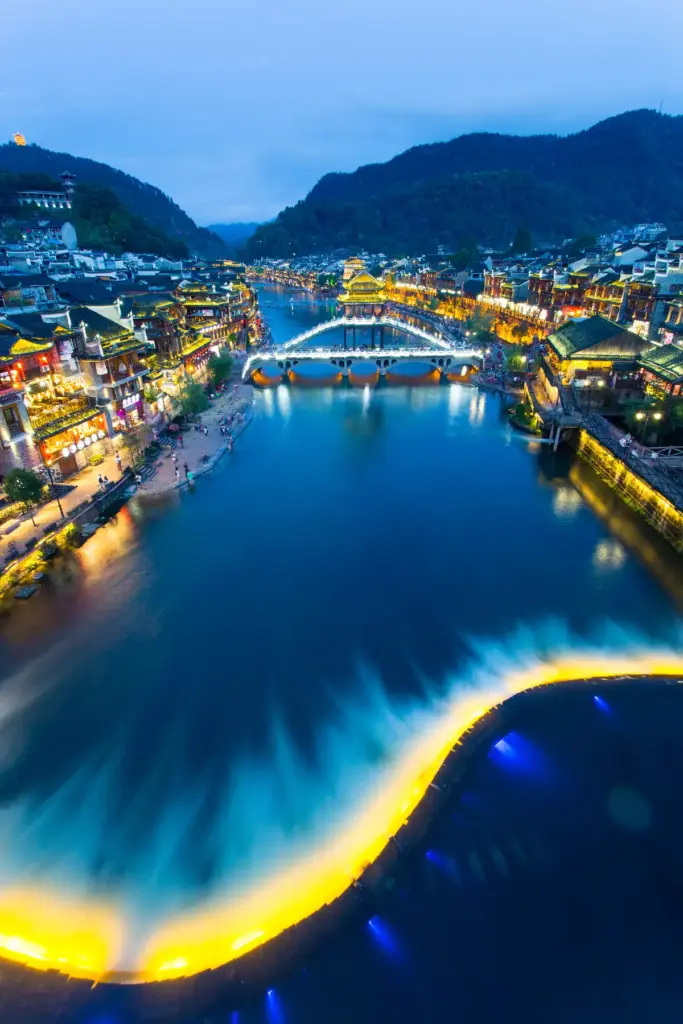
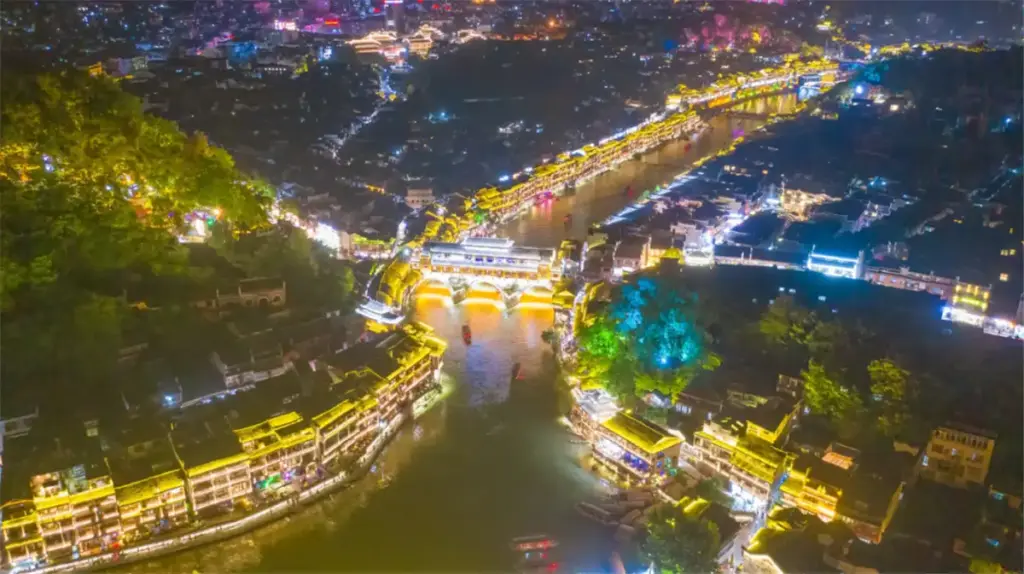
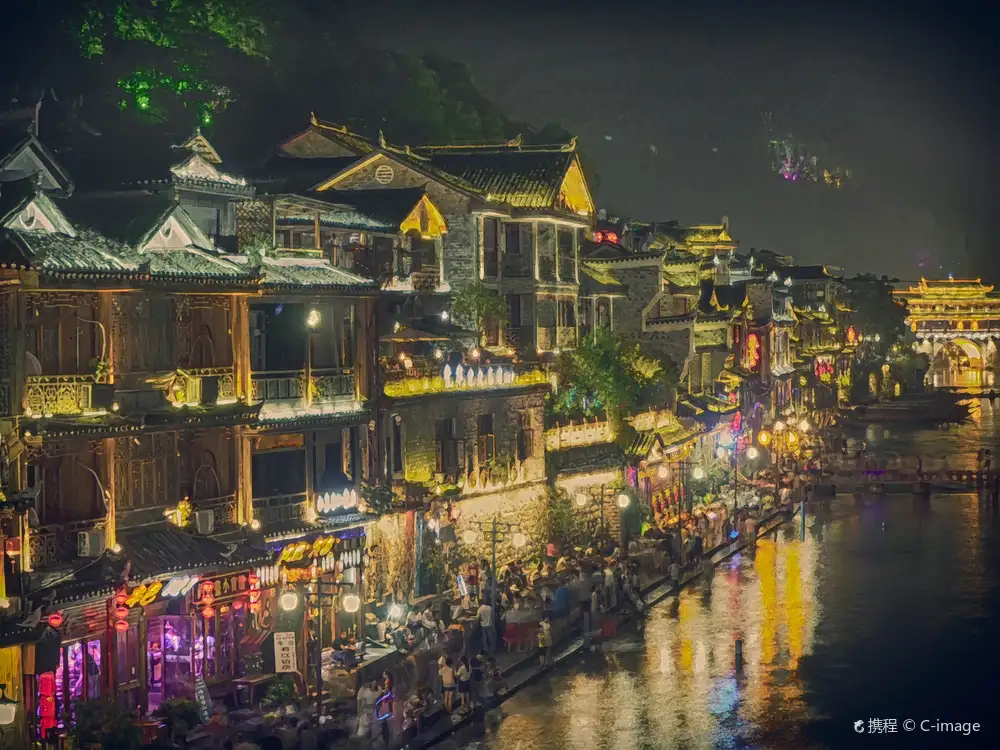
🏮 Nighttime (7:00 PM – 11:00 PM)
- The Vibe: Electric, romantic, and visually stunning.
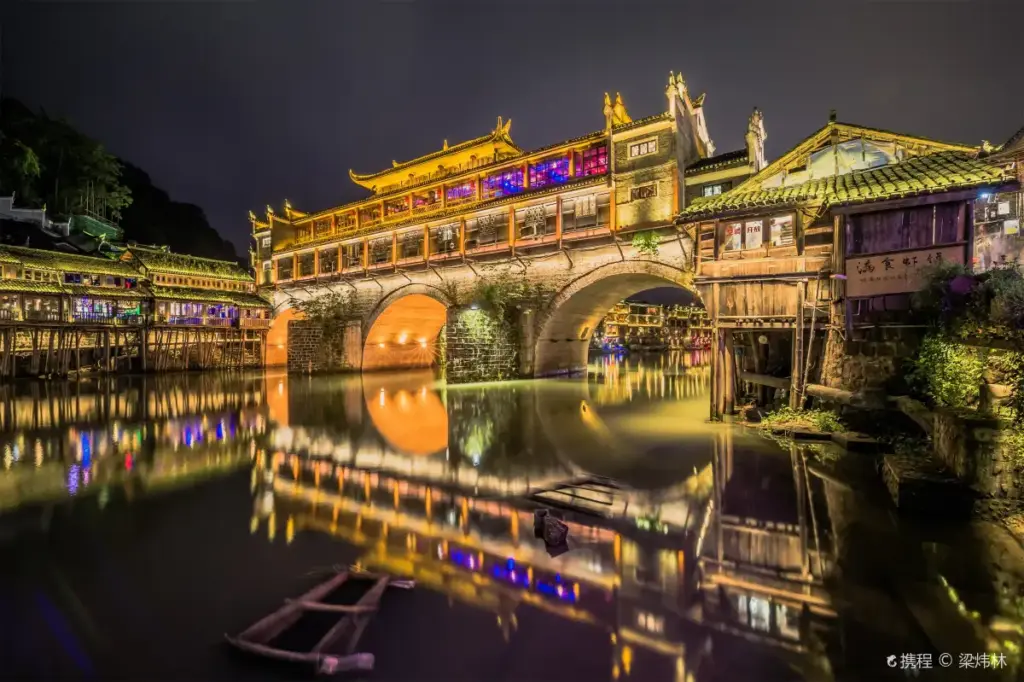
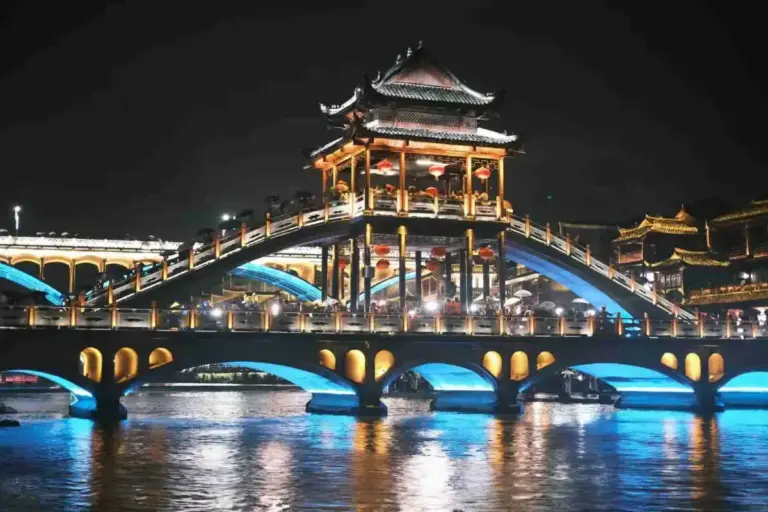
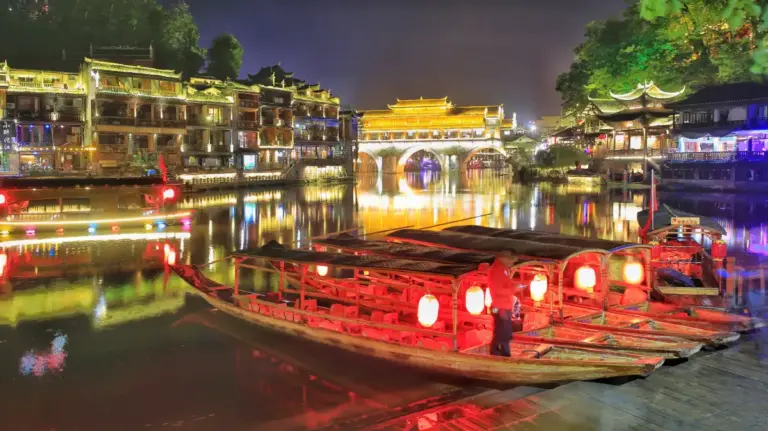
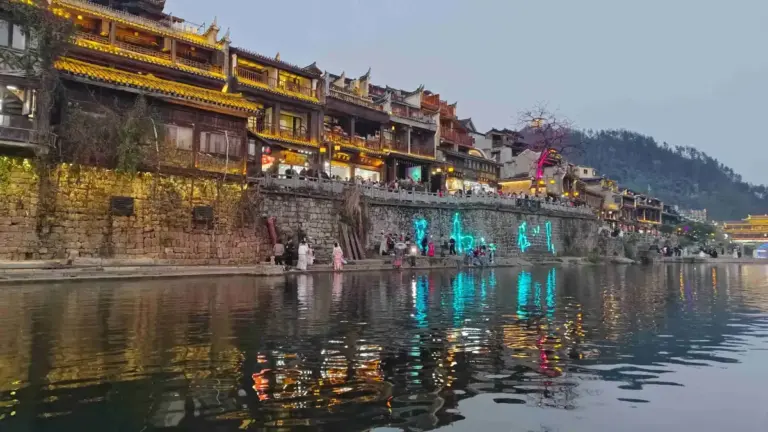
- Why visit: As the sun sets, thousands of amber and red lanterns illuminate the wooden facades. The reflections on the dark waters of the Tuojiang River create a dreamlike, cyberpunk-meets-ancient-China aesthetic. Bars along the river open, and the night markets come alive. (Note: The loud neon lights and music die down after 11:30 PM).
💸 What Actually Costs Money? (Internal Attractions & Activities)
While walking the streets is free, you will likely want to participate in the experiences that make Fenghuang famous. Here is a breakdown of what you will actually pay for during your visit:
🛶 1. The Tuojiang River Cruise (Tuojiang Fanjiang)
Taking a wooden boat down the Tuojiang River is the quintessential Fenghuang experience. It allows you to view the towering stilted houses from the water.
- The Cost: Usually ranges from 100 RMB to 150 RMB (approx. $15 – $22 USD) per person, depending on the pier you depart from and whether you choose a daytime bamboo raft or a nighttime illuminated cruise.
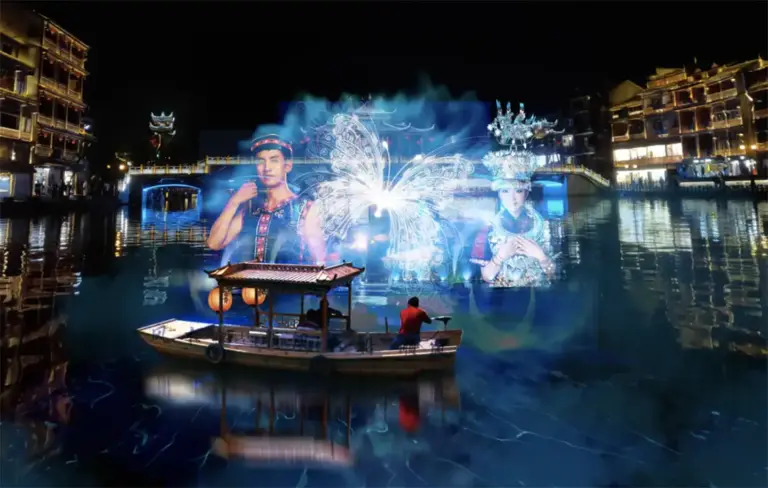
- Pro Tip: There are two main types of boats. The traditional, human-punted bamboo rafts (more rustic, daytime) and the larger wooden passenger boats (better for evening light shows).
🏛️ 2. The “Nine Scenic Spots” (Historical Mansions & Museums)
Scattered throughout the free town are several historical sites, most notably the Former Residence of Shen Congwen (the famous author who put Fenghuang on the literary map with his novel Border Town) and the Former Residence of Xiong Xiling (the first elected Prime Minister of the Republic of China).
- The Cost: You do not have to pay to see them from the outside. However, if you want to go inside the courtyards and read the historical exhibits, you can purchase a Combo Ticket (usually around 128 RMB / $18 USD) that grants access to all 9 historical spots.
- Is it worth it? For history buffs, yes. For casual tourists who just want pretty photos and good food, skipping the interiors and saving your money is completely acceptable.
👘 3. Ethnic Costume Rentals & Photography
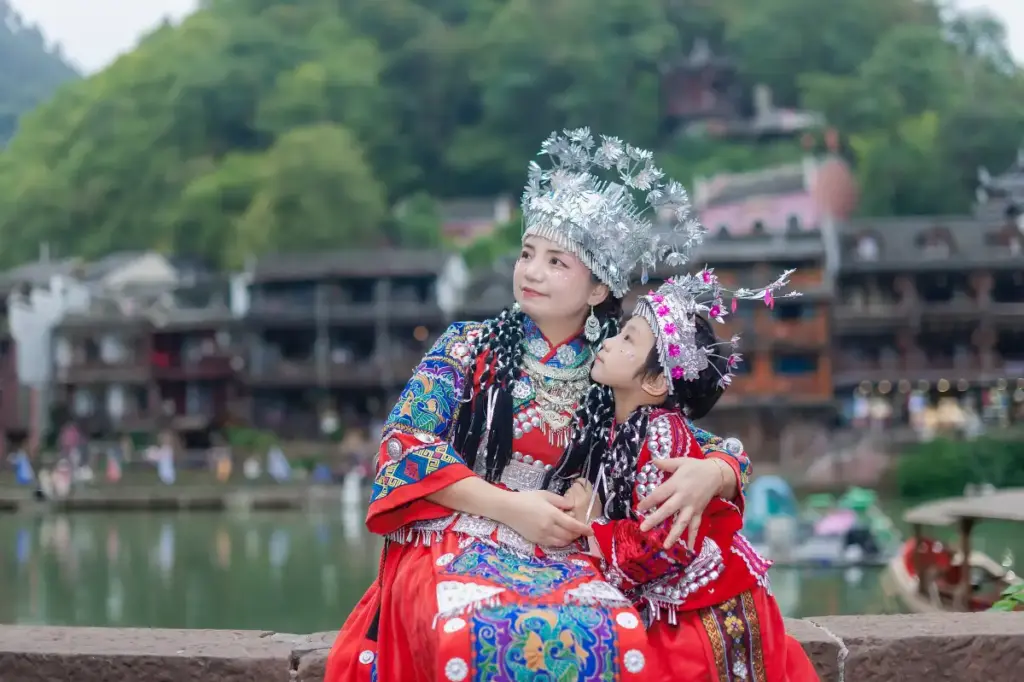
One of the most popular activities in Fenghuang today is renting traditional Miao or Tujia ethnic clothing—complete with heavy, intricate silver headdresses and embroidered jackets—to take photos on the river bridges.
- The Cost: Rentals range from 50 RMB to 200 RMB ($7 – $30 USD) depending on the quality of the outfit, the inclusion of a professional photographer, and makeup services.
- Pro Tip: Always negotiate the price and clarify exactly what is included (e.g., “Does this include the digital photos, or just the physical prints?”).
📸 4. Premium Photography Viewing Platforms
Because the streets can get crowded, some cafes, guesthouses, and locals with riverfront balconies have realized that their rooftops offer the “perfect” panoramic view of the river.
- The Cost: Some may charge a small “photo fee” of 10 RMB to 30 RMB ($1.50 – $5 USD) to step onto their private balcony for 5 minutes to take your pictures.
🌳 5. Nearby Attractions Outside the Free Zone
If you want to explore beyond the ancient town center, nearby natural wonders require separate tickets:
- Qiliang Cave: A massive, stunning karst limestone cave located just outside the town (approx. 100 RMB).
- Nanhuashan National Forest Park: Great for hiking and seeing peacocks (approx. 45 RMB).
💡 5 Money-Saving Tips & How to Avoid Tourist Traps
To stretch your travel budget while enjoying the best of Fenghuang, keep these insider tips in mind:
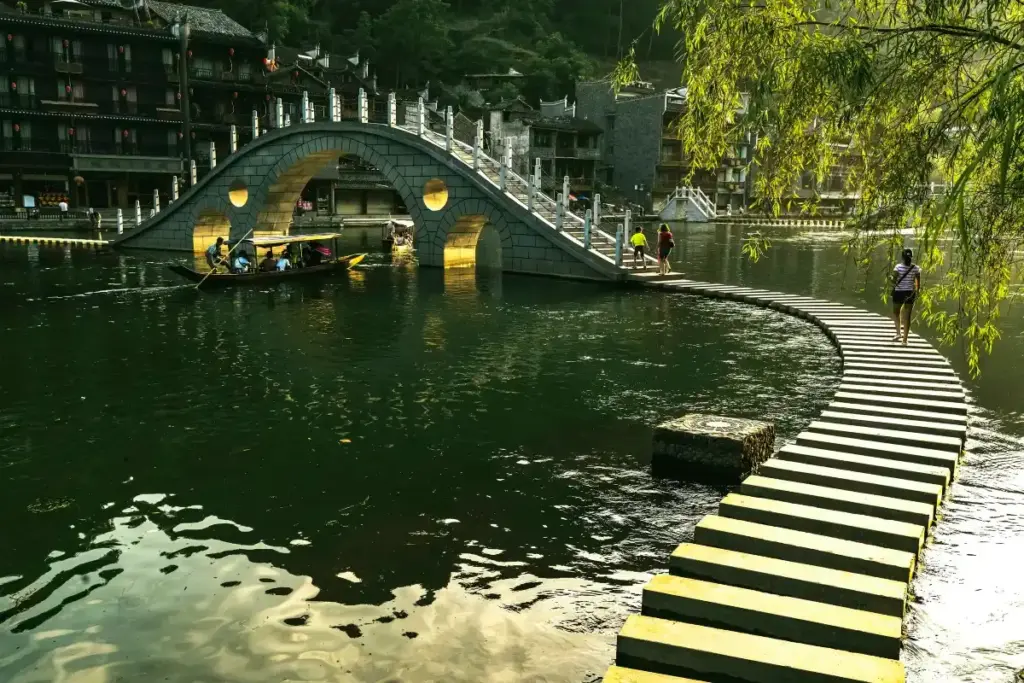
- Walk the “Jumping Stones” (Tiaoyan) for Free 🪨: Instead of paying for a boat ride, head to the section of the Tuojiang River lined with a series of stone pillars jutting out of the water. Locals and tourists use these to “hop” across the river. It is completely free, incredibly fun, and offers amazing angles for photos!
- Dine Off the Main Riverfront 🍜: Restaurants directly facing the Tuojiang River charge a “scenic premium.” Walk just two or three streets back into the cobblestone alleys. You will find authentic, delicious Hunan and Tujia cuisine (like Blood Duck and Sour Fish Soup) for half the price.
- Book Accommodation Wisely 🏨: Staying in a riverside stilted house is a dream, but wooden structures mean poor sound insulation. If you are a light sleeper, do not book a room directly above a riverside bar. Choose a guesthouse on the hillside for a quieter night and a great panoramic view.
- Avoid the “Free Tea” Trap 🍵: If a friendly local or “student” invites you into a tea house for a “free traditional tea ceremony,” politely decline. This is a well-known scam that usually ends with you being pressured into buying overpriced tea leaves.
- Visit in the Shoulder Season 🍂: To avoid the crushing crowds and peak pricing of Chinese National Holidays (like the first week of October or Chinese New Year), visit in April, May, September, or October. The weather is mild, the mist is frequent, and hotel prices are reasonable.
❓ Frequently Asked Questions (FAQ)
Q: Do I need to book Fenghuang Ancient Town tickets in advance online? A: No! Since the town is free and open 24/7, there is no main ticket to book. You only need to book your hotel, your transport (train/bus to Fenghuang County), and any multi-day guided tours in advance. You can buy river cruise tickets on the spot at the piers.
Q: Is the town easy to navigate with a stroller or wheelchair? A: Unfortunately, no. The charm of Fenghuang lies in its centuries-old, uneven cobblestone alleys, high stone thresholds, and the stepping stones across the river. It is highly pedestrian-focused and requires a lot of walking and stair-climbing.
Q: How long should I spend in Fenghuang Ancient Town? A: The recommended sightseeing time is 1 to 2 days. One full day is enough to see the historical sites, take a boat ride, and enjoy the night view. A second day allows you to relax, explore the deeper alleys, visit nearby villages, or take a side trip to the stunning Furong Town (a neighboring ancient town built over a massive waterfall).
Q: Are ATMs and international credit cards accepted? A: While major hotels will accept international credit cards, the small shops, street food vendors, and boatmen operate almost exclusively on WeChat Pay and Alipay. It is highly recommended to set up Alipay on your smartphone and link your international credit card before arriving in China. Bring some cash (RMB) as a backup.
🎒 Final Thoughts
Fenghuang Ancient Town is a rare gem in modern tourism: a place where the primary attraction—the breathtaking integration of nature, history, and architecture—costs absolutely nothing. By understanding the difference between the free public spaces and the paid cultural experiences, you can curate a trip that perfectly matches your budget and interests.
Whether you are sipping a cup of local ginger tea on a misty morning, hopping across the Tuojiang River on ancient stepping stones, or watching the red lanterns flicker to life at dusk, Fenghuang offers a gentle, poetic warmth that will stay with you long after you leave the borders of Xiangxi.
Pack your walking shoes, charge your camera, and get ready to explore Phoenix City! 🏮🐉
Comentarios